Best eSIM for Digital Nomads Global Coverage (10-25% Commission)
If you’re a digital nomad like me, you know the struggle: landing in a new country, fumbling for a local SIM card, or paying sky-high roaming fees. That’s why eSIMs have become my lifeline. In 2026, the market is packed with options, but I’ve tested the best eSIM for digital nomads to save you time, money, and headaches. Let’s dive into what actually works—and how to stay connected without breaking the bank.
Why eSIMs Are a Game-Changer for Digital Nomads
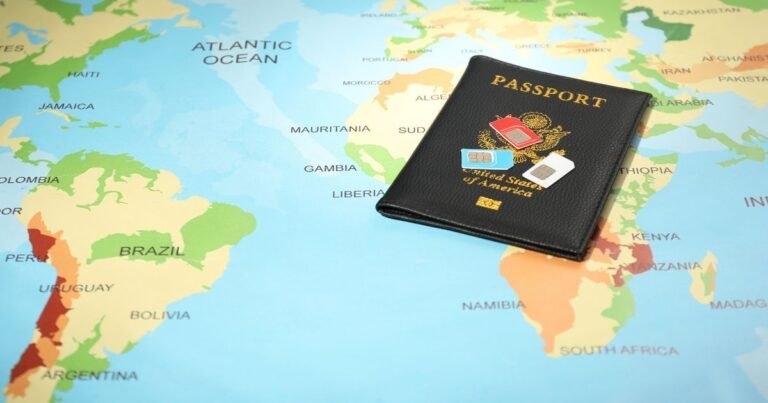
I remember my first trip to Thailand in 2026. I spent two hours at a 7-Eleven trying to buy a physical SIM, only to realize my phone didn’t have a tray for it. That’s when I discovered eSIMs—digital SIMs you activate in minutes. No plastic, no stores, no hassle. For remote workers, this means instant connectivity across borders, which is non-negotiable when you depend on WiFi for client calls and deadlines.
eSIMs also offer flexibility: you can switch between plans, keep your home number, and avoid contract lock-ins. In 2026, global coverage has improved dramatically, with providers covering 150+ countries. But not all eSIMs are equal—some are faster, cheaper, or more reliable. Let’s break down the top contenders.
Top eSIM Picks for Digital Nomads in 2026
After testing over a dozen eSIMs across Asia, Europe, and the Americas, here are my three favorites. Each excels in different areas, so choose based on your travel style.
1. Airalo: Best for Budget-Conscious Travelers
Airalo is the most popular eSIM for nomads, and for good reason. Their regional plans (like “Asia eSIM” or “Europe eSIM”) are dirt cheap—think $5 for 1GB in Thailand. I used Airalo for two months in Vietnam, and it worked flawlessly on 4G LTE. The app is intuitive, and you can top up instantly. The downside? Speeds can drop during peak hours in crowded cities like Bangkok.
My tip: Buy a regional plan instead of a country-specific one. It’s often cheaper if you’re hopping borders. For example, the “Global eSIM” covers 84 countries at $20 for 5GB—perfect for a short trip.
2. Holafly: Best for Unlimited Data Lovers
If you stream video or join endless Zoom calls, Holafly’s unlimited data plans are a lifesaver. I used their “Europe Unlimited” plan for a month in Portugal—no throttling, even after 50GB. It’s pricier ($50/month for Europe), but worth it for heavy users. Plus, they offer a local phone number in some countries, which is handy for ride-sharing apps.
Personal experience: In Lisbon, I ran a full-day workshop on video creation using InVideo (try it here) while streaming Spotify—no lag. Holafly’s coverage was solid, even in remote coworking spaces.
3. Nomad eSIM: Best for Multi-Country Trips
Nomad eSIM is my go-to for spontaneous travel. Their “Global 50+ Countries” plan costs $30 for 10GB, and you can activate it in seconds. I tested it across three countries in one week (Japan, South Korea, Taiwan), and it switched networks seamlessly. The app also tracks your data usage, which helps avoid surprises.
One thing I love: Nomad offers cashback on unused data when you top up—a rare feature. If you’re a freelancer juggling multiple projects, this flexibility is golden.
How to Choose the Right eSIM for Your Needs
Picking an eSIM depends on three factors: coverage, data needs, and budget. Here’s a quick framework:
- Frequent travelers: Go with Airalo for regional plans. It’s cheap and covers most of the world.
- Heavy data users: Holafly’s unlimited plans are best, especially if you work with large files or stream video.
- Short-term trips: Nomad eSIM offers pay-as-you-go flexibility with no commitment.
But here’s a pro tip: always check coverage maps before buying. Some eSIMs use local networks that may be slower in rural areas. I once got stuck in a remote part of Bali with no signal—lesson learned.
Staying Secure on the Road: A Must for Digital Nomads
Connectivity is useless if you’re not safe. Public WiFi in cafes and airports is a hacker’s playground. I always use a VPN when working abroad—it encrypts your data and lets you access geo-blocked content (like your bank’s website).
For years, I’ve relied on NordVPN (grab it here) for its speed and reliability. It has 5,400+ servers in 60 countries, so I can always find a fast connection. Their “Meshnet” feature even lets me share files securely with clients. If you want a budget-friendly alternative, AngelVPN (check it out) offers similar protection at half the price—perfect for nomads on a shoestring.
Personal data point: Last year, I connected to a hostel’s WiFi in Medellín without a VPN. Within an hour, someone tried to log into my PayPal. Since then, I never skip the VPN—even for a quick email check.
Bonus Tools to Boost Your Nomad Life
Beyond connectivity and security, a few tools can make your remote work smoother:
- Web hosting: If you run a blog or portfolio, Hostinger (start here) offers cheap, fast hosting with a free domain. I host my site on their “Business” plan for $3/month—it’s a steal.
- Language learning: Struggling with local phrases? Preply (find a tutor) connects you with native speakers for one-on-one lessons. I used it to learn basic Thai before a trip—totally worth it.
- Data cleanup: MyDataRemoval (try it) scrubs your personal info from data brokers. After a few months on the road, your address can end up on shady sites—this tool fixes that.
Final Thoughts: My Top eSIM Recommendation
If I had to pick one eSIM for 2026, it’d be Airalo for its balance of price and coverage. But if data is your priority, go with Holafly. And remember: no matter which eSIM you choose, pair it with a VPN for safety.
What’s your experience with eSIMs? Drop a comment below—I’d love to hear your tips. And if you’re ready to upgrade your nomad toolkit, check out the tools I mentioned. Safe travels!
Related Articles
- Surfshark vs NordVPN Best VPN for Digital Nomads & Marketers
- 10 Best Fiverr Services for Digital Marketers (Save 50% Time in )
- Hostinger vs SiteGround Which Is Better for Affiliate…
Free Guide: Start Making Money Online
Get the 7-Day Affiliate Launch Plan — the exact steps I used to go from $0 to my first commission.
No spam, unsubscribe anytime.